
Asset tracking for healthcare and care settings
Healthcare settings manage huge amounts of equipment under intense time pressure. Here's why manual tracking doesn't hold up, and what a better system...
Read articleAudit-ready activity feature
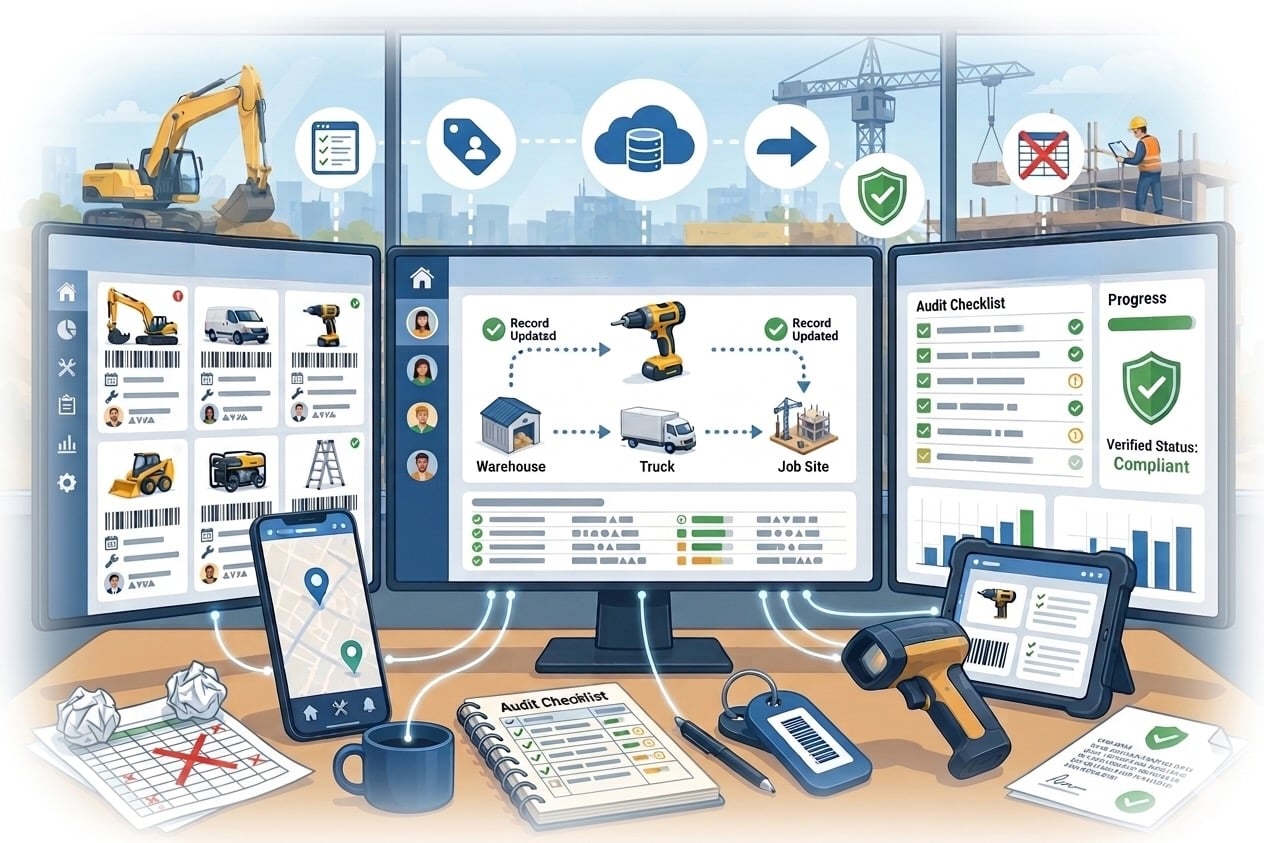
See what happened, when it happened and who was involved without reconstructing events from separate files and conversations.
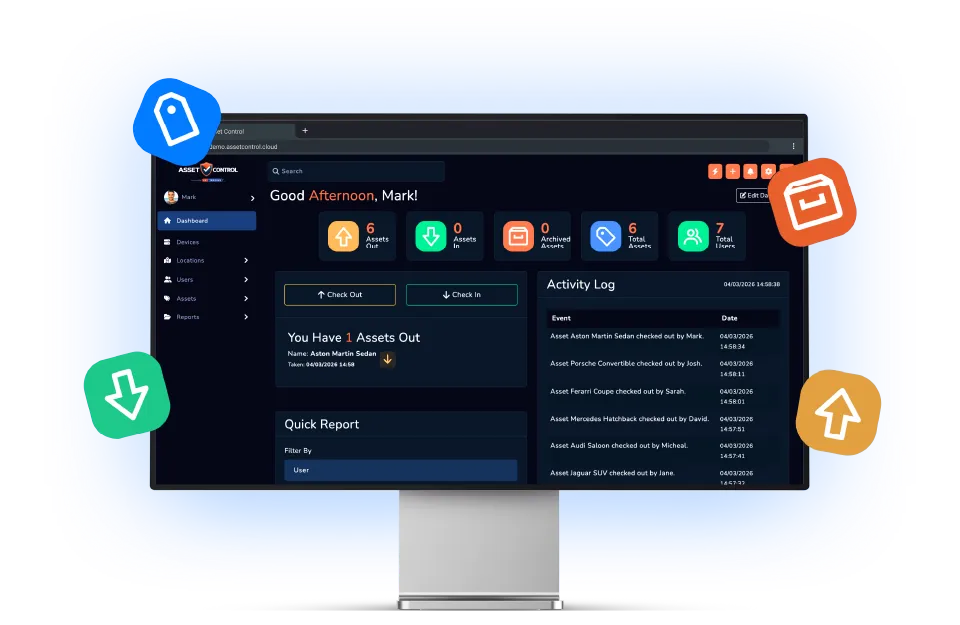
Part of the AssetControl Cloud platform
When an item is missing or an audit begins, a current location alone is not enough. AssetControl Cloud preserves operational history so teams can understand how the asset reached its current state.
It works inside the same platform your team uses for assets, users, locations and reporting, so the information remains useful beyond one isolated task.
Keep checkouts, returns, movements and relevant changes in a timestamped history.
Associate recorded actions with users so reviews have more context than a changed spreadsheet cell.
Follow what happened over time from the same record used for daily asset management.
Why it matters
See how the feature supports clearer responsibility and everyday operations.
Follow movements and transactions from one connected record.
Make actions visible instead of relying on recollection.
Retrieve organised records without manually combining multiple registers.
The operational case for change
The feature earns its place by changing how the work gets done.
Where teams lose time today
When records only show the latest value, every discrepancy becomes detective work. Teams search emails, ask former holders and compare spreadsheet versions, yet still may not establish a reliable sequence of events.
What changes with AssetControl Cloud
The asset record becomes a timeline rather than a snapshot. Operational events remain available in context, enabling a reviewer to follow the history without changing the live record or maintaining a separate audit document.
Buyers gain more than reporting convenience: they gain defensible operational evidence. That can shorten internal reviews, improve accountability conversations and reduce the disruption caused by preparing information after the fact.
How it fits the workflow
Open the relevant asset record.
Review its transaction and activity timeline.
Filter the history to the event under review.
Use the recorded detail to support follow-up or reporting.
This feature works with AssetControl Cloud’s asset records, users, locations, permissions and reporting rather than operating as a disconnected tool.
From the blog